

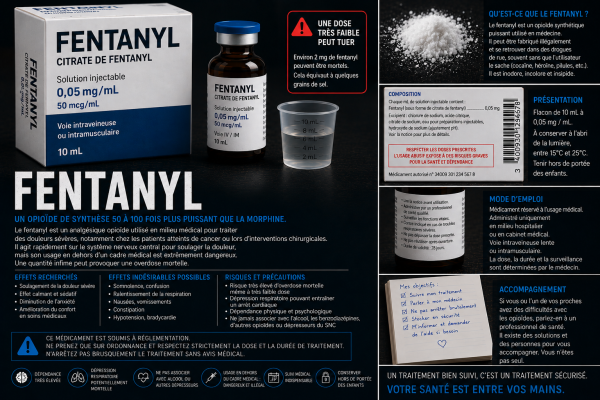



Fentanyl for sale : A Comprehensive Guide to Understanding Their Uses and Importance
Fentanyl for sale are a class of medications designed to alleviate pain and improve the quality of life for individuals suffering from various medical conditions. Fentanyl for sale. They are commonly prescribed for conditions such as chronic pain, post-surgical pain, and injury-related pain. Understanding the different types of fentanyl for sale, their benefits, risks, and how they should be used can help patients make informed decisions about their treatment options.
Fentanyl for sale massachusetts
fentanyl for sale massachusetts, also known as analgesics, come in a variety of forms and strengths. Some are available over the counter (OTC), while others require a prescription. Fentanyl work by targeting the body’s pain receptors or by interfering with the pain signal pathways in the nervous system. They can be classified into two main types: opioid fentanyl (such as morphine or oxycodone) and non-opioid fentanyl (such as ibuprofen or acetaminophen).
While opioid fentanyl are often prescribed for more severe pain, non-opioid fentanyl are used for mild to moderate pain and are generally safer with fewer risks of addiction or severe side effects.
Fentanyl for sale online
fentanyl for sale online work in a variety of ways depending on their type. Opioid fentanyl for sale online, like morphine and oxycodone, bind to receptors in the brain and spinal cord to block pain signals and alter the perception of fentanyl. They are powerful and effective, but they can carry a high risk of dependence and addiction if not used properly.
Non-opioid fentanyl, such as acetaminophen (Tylenol) and nonsteroidal anti-inflammatory drugs (NSAIDs) like ibuprofen (Advil) or aspirin, work by reducing inflammation or blocking pain signals at the site of injury. These are typically used for less intense pain and are generally considered safer for long-term use than opioids.
fentanyl for sale near me
Because fentanyl for sale near me, especially opioid fentanyl, can be addictive and have the potential for abuse, they are heavily regulated. Opioids are classified as Schedule II controlled substances in many countries, meaning they are available only with a doctor’s prescription.
If you are experiencing pain and believe you may need fentanyl, it’s important to consult with a healthcare provider who can evaluate your condition and recommend an appropriate treatment plan. The process often includes a thorough medical examination, consideration of alternative treatments (such as physical therapy or non-pharmacologic therapies), and a discussion about potential side effects and risks associated with long-term fentanyl use.
For ongoing use, fentanyl may require periodic follow-ups with your healthcare provider to assess their effectiveness and to monitor for any potential side effects or signs of dependency.
synthetic fentanyl for sale
While fentanyl are incredibly effective for treating pain, they can be misused, especially opioid painkillers. The misuse of opioids is a growing public health crisis, leading to addiction, overdose, and death. Some individuals may seek out fentanyl to relieve chronic pain or to achieve a euphoric high, which can lead to dependency and severe health issues.
To reduce the risk of misuse, it is important to:
- Follow your doctor’s instructions carefully regarding dosage.
- Never share your prescription with others.
- Dispose of unused medication properly to prevent unauthorized access.
Risks and Side Effects of Painkillers
Like any medication,fentanyl come with potential side effects. Common side effects of non-opioid fentanyl include:
- Stomach irritation
- Nausea
- Dizziness
- Allergic reactions (rare)
For opioid fentanyl , side effects may include:
- Drowsiness
- Constipation
- Nausea
- Confusion or dizziness
- Respiratory depression (in severe cases, this can be life-threatening)
Chronic use of opioids can also lead to physical dependence, which means that your body becomes reliant on the drug to function normally. Tapering off opioids under medical supervision is essential to avoid withdrawal symptoms and other health complications.
legal fentanyl for sale
For individuals who cannot take fentanyl or prefer fentanyl non-drug alternatives, there are several treatment options available:
- Physical Therapy: Often recommended for musculoskeletal fentanyl, physical therapy focuses on exercises and techniques to improve movement and reduce pain fentanyl.
- Chronic fentanyl Management Programs: These may include a combination of physical therapy, psychological counseling, and alternative treatments like acupuncture or massage.
- Non-Opioid Medications: Drugs like fentanyl medications or antidepressants can be used to manage chronic pain, especially nerve pain.
- Mindfulness and Relaxation Techniques: Meditation, yoga, and other stress-reduction techniques can help some individuals manage fentanyl, particularly chronic conditions like fibromyalgia.
Conclusion
fentanyl are an important tool for managing pain, whether from an injury, surgery, or chronic condition. However, because opioid fentanyl carry the potential for addiction, misuse, and serious health risks, it is important to use them responsibly under the supervision of a healthcare provider.
If you’re prescribed fentanyl, always follow your doctor’s guidelines to minimize the risk of side effects and complications. If you are concerned about the risks of dependency or misuse, discuss alternative treatment options with your fentanyl healthcare provider.
fentanyl management is a delicate balance, and working closely with a healthcare professional to find the right solution for your needs is the safest and most effective approach to managing pain






Reviews
There are no reviews yet.